
Specializations
Colorectal and Pelvic Surgery

Valeria Gianfreda
Specialization: Colorectal and Pelvic Surgery
Medical Registration: Medical Association of Rome, No. 50928
Email: info@aventinomedicalgroup.com
Phone: +39 06 5780738 / +39 06 57288349
Languages Spoken: Italian, English, French
Website: www.valeriagianfreda.it
🎯 Clinical Focus
Dr. Gianfreda specializes in minimally invasive laparoscopic oncologic surgery and the treatment of female pelvic floor disorders, including:
Hemorrhoids, rectal prolapse, and obstructed defecation
Bladder, uterine, and vaginal prolapse
Gynecologic and urologic colorectal conditions
Pelvic organ prolapse using STARR and POPS techniques
🎓 Education & Qualifications
Medical Degree, University of Rome La Sapienza, 2000 (110/110 with honors)
Specialization in Digestive System Surgery and Endoscopy, La Sapienza, 2005 (70/70 with honors)
Ph.D. in Advanced Technologies in Surgery, La Sapienza, 2008
🏥 Professional Experience
Chief Medical Officer, M.G. Vannini Hospital, Rome – Head of Colorectal and Pelvic Floor Pathologies Unit (since 2006)
Over 1,000 STARR procedures and 230 POPS procedures performed
Surgical assistant and fellow at:
St. Elisabeth Hospital, Vienna
Rangueil Hospital, Toulouse
Camposampiero Hospital, PD
Lecturer:
University of Rome La Sapienza (Colorectal Surgery Master’s Program)
Catholic University of the Sacred Heart (Pelvic Medicine & Surgery)
🏆 Awards & Affiliations
Member of PELVI Study Group – Women for Women
Participant in PFM Multicentric Program of the Italian Society of Colorectal Surgery
Speaker, organizer, and scientific coordinator in national and international surgical conferences
📄 Publications
Co-author of numerous peer-reviewed publications in the field of general and colorectal surgery.
Featured research:
“Multi-Organ Pelvic Prolapse: A Minimally Invasive Solution for Women”
Colon Proctological and Pelvic Surgery at Aventino Medical Group
What does Colonproctological and Pelvic Surgery treat?
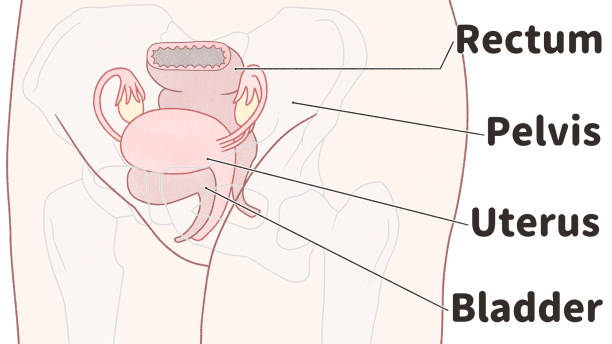
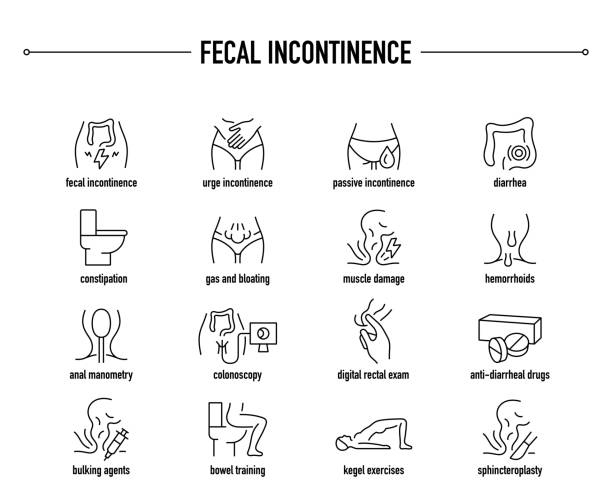
Colonproctological and Pelvic Surgery deals with the prevention, diagnosis, and treatment of pathologies affecting the colon, rectum, anus, and pelvic floor. This specialty is essential for treating disorders that can compromise quality of life, such as hemorrhoids, anal fistulas, fecal incontinence, and colon-rectal neoplasms, as well as for managing pelvic floor pathologies, including urinary incontinence, pelvic organ prolapse, and pelvic floor dysfunctions.
Our team of colon proctological surgeons at Aventino Medical Group offers a wide range of therapeutic solutions, which include both medical and surgical therapies. We use minimally invasive and cutting-edge techniques, ensuring a personalized approach focused on the patient’s well-being.
When should you consult a Colonproctological Surgeon?
It is advisable to consult a surgeon specialized in coloproctology and pelvic surgery in the presence of:
- Persistent intestinal disorders, such as chronic constipation or prolonged diarrhea
- Rectal bleeding or traces of blood in the stool
- Anal or perianal pain
- Rectal prolapse or fecal incontinence
- A mass or nodule in the anal or pelvic area
- Urinary incontinence or pelvic organ prolapse
- The presence of anal fistulas or abscesses
- Diagnosis of polyps or tumors of the colon and rectum
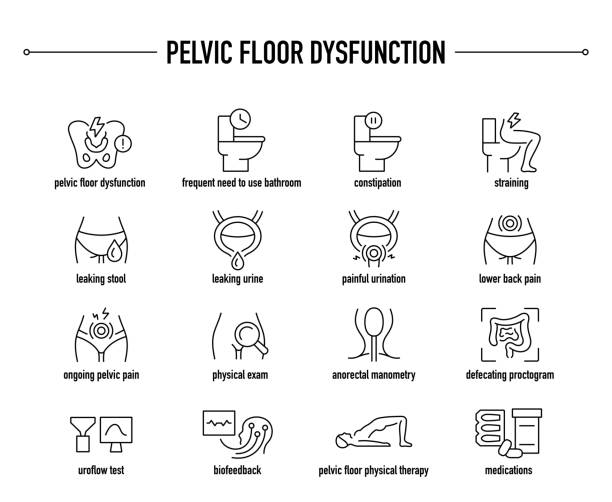
- Pelvic floor dysfunctions, such as chronic pelvic pain, obstructive constipation, and obstructed defecation syndrome
Pathologies treated by our specialists
At Aventino Medical Group, our specialists in colon proctological and pelvic surgery treat:
Note: Consultations and diagnostic tests (such as ultrasounds) are performed at our office, while surgery is carried out in other specialized facilities.
- Benign diseases of the colon and rectum: hemorrhoids, anal fissures, perianal fistulas
- Neoplastic pathologies: colon polyps, rectal tumors
- Functional pathologies: fecal incontinence, rectal prolapse
- Inflammatory bowel diseases: Crohn’s disease, ulcerative colitis
- Pelvic floor disorders: obstructed defecation syndrome, rectocele, chronic pelvic pain, pelvic floor dyssynergia
The main pelvic floor disorders:
- Alterations of the emptying of the lower urinary tract
- Defecation dysfunctions
- Sexual dysfunctions
- Fecal and flatus incontinence
- Urinary incontinence
- Pelvic organ prolapse
- Chronic pelvic pain syndrome
- Constipation due to outlet obstruction
Diagnostic and therapeutic approach
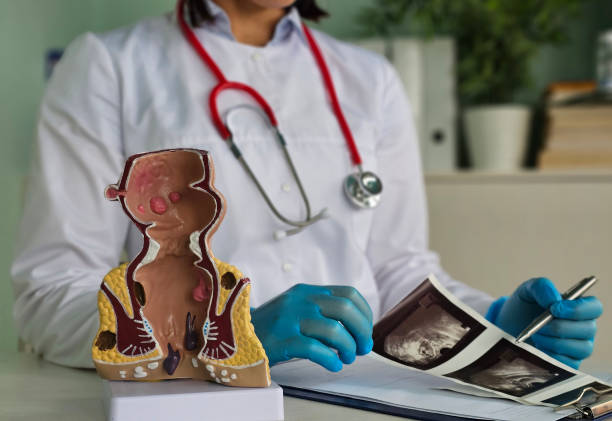
The diagnosis and treatment of colon proctological and pelvic floor pathologies involve a multidisciplinary and personalized approach. Our team uses the most modern technologies to ensure an accurate assessment of the patient.
Diagnostic Examinations
Specialist consultation with rectal examination
Anoscopy and proctoscopy for the direct visualization of anorectal structures
Transanal and transperineal ultrasound for the evaluation of the pelvic floor
Anorectal manometry to study the functionality of the anal sphincter
Defecography for the analysis of evacuative dynamics
Colonoscopy for the diagnosis of colon and rectum pathologies
Available Treatments
Pharmacological therapies for the control of inflammation and pain
Injections and nerve blocks for the treatment of chronic pelvic pain
Pelvic floor rehabilitation with specific physiotherapy
Minimally invasive surgery with laser, laparoscopic, and robotic techniques for the treatment of rectal prolapse and other conditions
How to prevent Colonproctological and Pelvic Pathologies?
A fiber-rich diet to regulate intestinal transit
Adequate hydration to prevent constipation
Regular physical activity to promote intestinal motility
Periodic screening after the age of 50 or in the presence of a family history of colon-rectal tumors
Attention to persistent symptoms such as bleeding or anal pain


Diagnostic and therapeutic approach
When is it necessary to undergo a colonoscopy?
It is recommended after the age of 50 as a preventive screening or in case of specific symptoms (blood in the stool, abdominal pain, changes in bowel habits).
Are hemorrhoid procedures painful?
Thanks to minimally invasive techniques, post-operative pain is reduced and recovery is quicker.
Can fecal incontinence be treated without surgery?
There are rehabilitative, pharmacological, and minimally invasive treatments that can improve bowel control.
How is chronic pelvic pain treated?
✔ Treatment involves a multidisciplinary approach with pharmacological therapy, pelvic floor rehabilitation, and, in some cases, minimally invasive surgical interventions.
When does the doctor recommend a defecography, and what should I expect during the exam?
Defecography is recommended in cases of chronic constipation, difficulty with bowel movements, incomplete evacuation sensation, or rectal prolapse. During the exam, a contrast agent is gently introduced into the rectum, and the patient, seated on a special radiolucent toilet, is asked to simulate defecation.
The exam lasts about 15 minutes, is minimally invasive, and helps assess the pelvic floor function, guiding the most appropriate treatment
Why choose Aventino Medical Group?
Multilingual team: Our specialists speak Italian, English, and other languages to support international patients and tourists in Rome.
Personalized approach: Tailor-made solutions for every need.
Advanced technology: Modern tests for precise diagnoses.
Comfort and flexibility: Welcoming environments and flexible schedules.